

Six inches is a common length that appears in everyday objects, household items, tools, and personal measurements. However, it can be difficult to picture this measurement if you do not have a ruler nearby.
So, how big is 6 inches? Six inches equals 15.24 centimeters, 152.4 millimeters, or half a foot. It is also equal to 0.5 feet and 0.1667 yards.
To visualize this length, think about a standard dollar bill’s shorter side, a small tablet’s width, or the length of a typical adult hand from the wrist to the tip of the middle finger. These examples can help you estimate six inches without measuring tools.
This guide explains exactly how long six inches is, how to convert it into other units, and how it compares with familiar everyday objects. You will also learn simple ways to measure this length at home.
How Long Is 6 Inches?
Six inches measures exactly half a foot. It is a short but noticeable length that fits comfortably in one hand for many people.
In the United States, inches are commonly used to measure household objects, screens, furniture, tools, and personal items. Therefore, understanding six inches can help when shopping, completing home projects, or checking the size of an object.
Here are the basic measurements:
| Unit | Equivalent to 6 Inches |
|---|---|
| Inches | 6 inches |
| Feet | 0.5 feet |
| Centimeters | 15.24 cm |
| Millimeters | 152.4 mm |
| Meters | 0.1524 m |
| Yards | 0.1667 yd |
The easiest way to remember this measurement is to think of half a foot. If you divide a 12-inch ruler into two equal parts, each part measures six inches.
What Does 6 Inches Look Like?

Six inches is about the length of a small handheld object. It is longer than a typical smartphone’s width but shorter than many large household items.
Imagine holding a ruler and looking at the distance from the zero mark to the six-inch mark. That distance gives you a clear visual reference.
You can also compare it with objects you already have around the house. For example, a dollar bill measures 6.14 inches along its longer side. That makes it a useful reference for estimating six inches.
Keep in mind that everyday objects can have slightly different sizes. Use these comparisons as visual guides rather than exact measuring tools.
10 Everyday Objects That Are About 6 Inches Long
You do not always need a ruler to picture six inches. Several familiar objects can help you estimate this length.
1. A US Dollar Bill’s Shorter Side Is About 2.6 Inches

A US dollar bill measures approximately 6.14 inches long and 2.61 inches wide. Its longer side is very close to six inches.
Place a dollar bill next to the object you want to measure. The bill gives you a useful reference because its official dimensions remain consistent across standard US currency.
This is one of the easiest ways to estimate six inches without carrying a ruler.
2. An Adult Hand From Wrist to Middle Fingertip

For many adults, the distance from the wrist crease to the tip of the middle finger can be close to six inches.
However, hand size varies from person to person. Some people have shorter hands, while others have longer ones.
You can use your own hand as a quick reference. Measure it once with a ruler, then remember the distance for future estimates.
3. A Small Kitchen Spatula
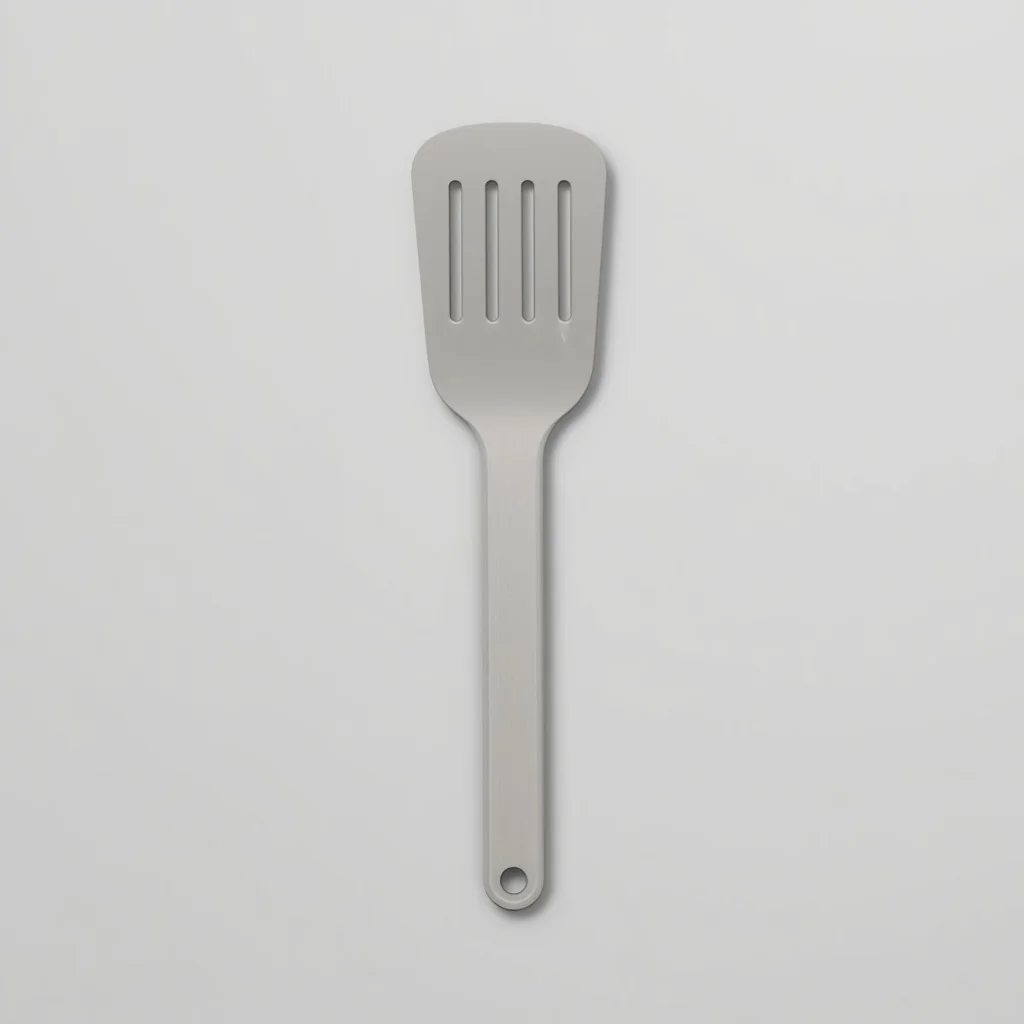
Some compact kitchen spatulas have a working blade or handle section close to six inches. Their exact measurements depend on the design and manufacturer.
A small spatula can help you visualize this length while cooking or organizing kitchen supplies.
However, do not assume that every spatula measures six inches. Check its listed dimensions if you need an accurate measurement.
4. A Large Smartphone’s Width and Height

Most smartphones are longer than six inches from top to bottom. However, some compact phones have a body length close to this measurement.
The width of a modern smartphone is usually much smaller than six inches. Therefore, compare the phone’s full length rather than its screen width.
Phone sizes vary widely, so this comparison works best when you know the dimensions of your own device.
5. A Small Notebook

A compact notebook may measure around six inches along one side. Pocket notebooks and small writing pads often use dimensions close to this length.
Place the notebook beside a ruler to check its actual size. This can help you understand how six inches looks on a flat surface.
6. A Butter Knife

Some butter knives measure close to six inches in total length, although many are longer.
A small butter knife offers a familiar household comparison. You can place it beside another object to estimate whether that object is close to six inches.
Remember that knife sizes vary by brand and style.
7. A Short Pencil

A new standard pencil usually measures much longer than six inches. However, a used or shortened pencil may come close to this length.
A pencil cut or worn down to six inches can provide a simple visual reference for the measurement.
8. A Small TV Remote
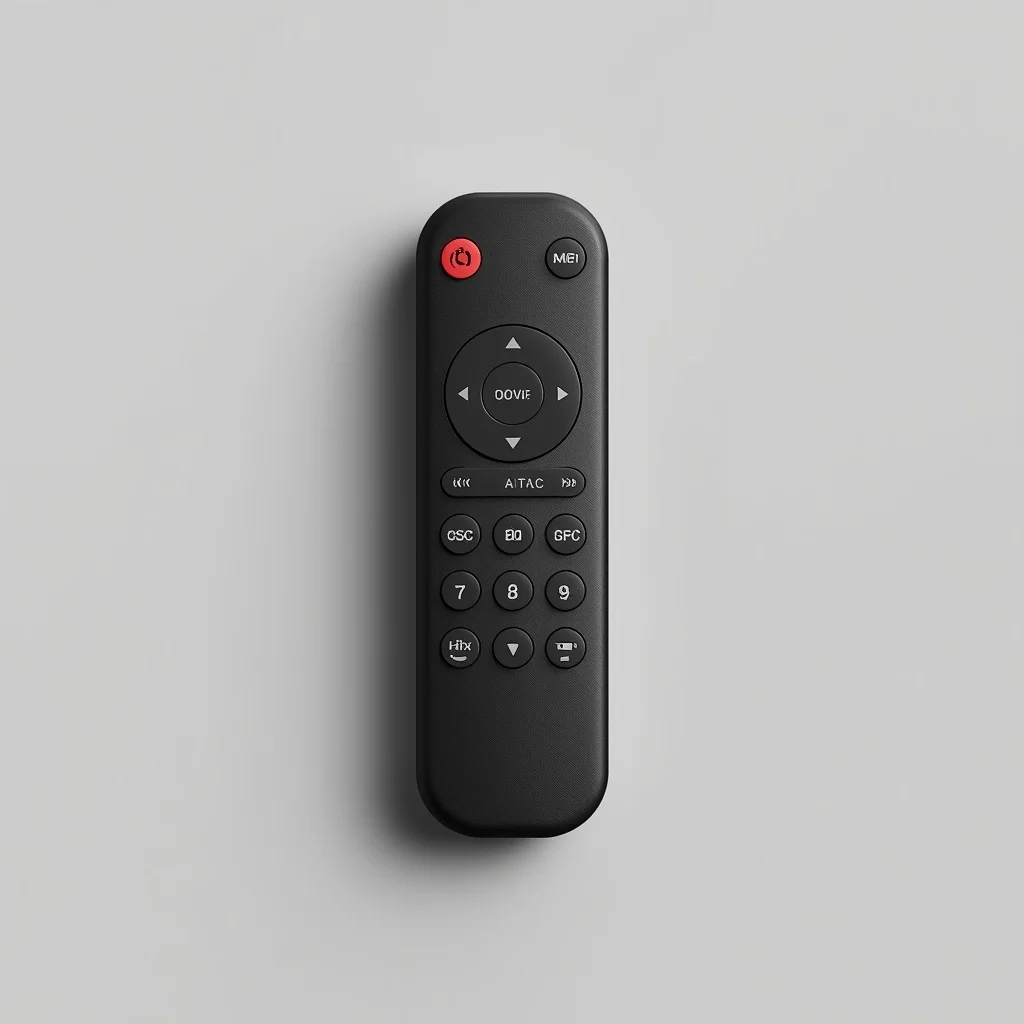
Some compact remotes measure around six inches long. Their size depends on the number of buttons and the type of device they control.
A small remote can help you picture this distance when comparing household objects.
9. A Short Ruler Section

A standard 12-inch ruler contains two equal six-inch sections.
This is the most direct comparison because the ruler shows the measurement clearly. Find the zero mark and move along the ruler until you reach six inches.
10. A Compact Flashlight
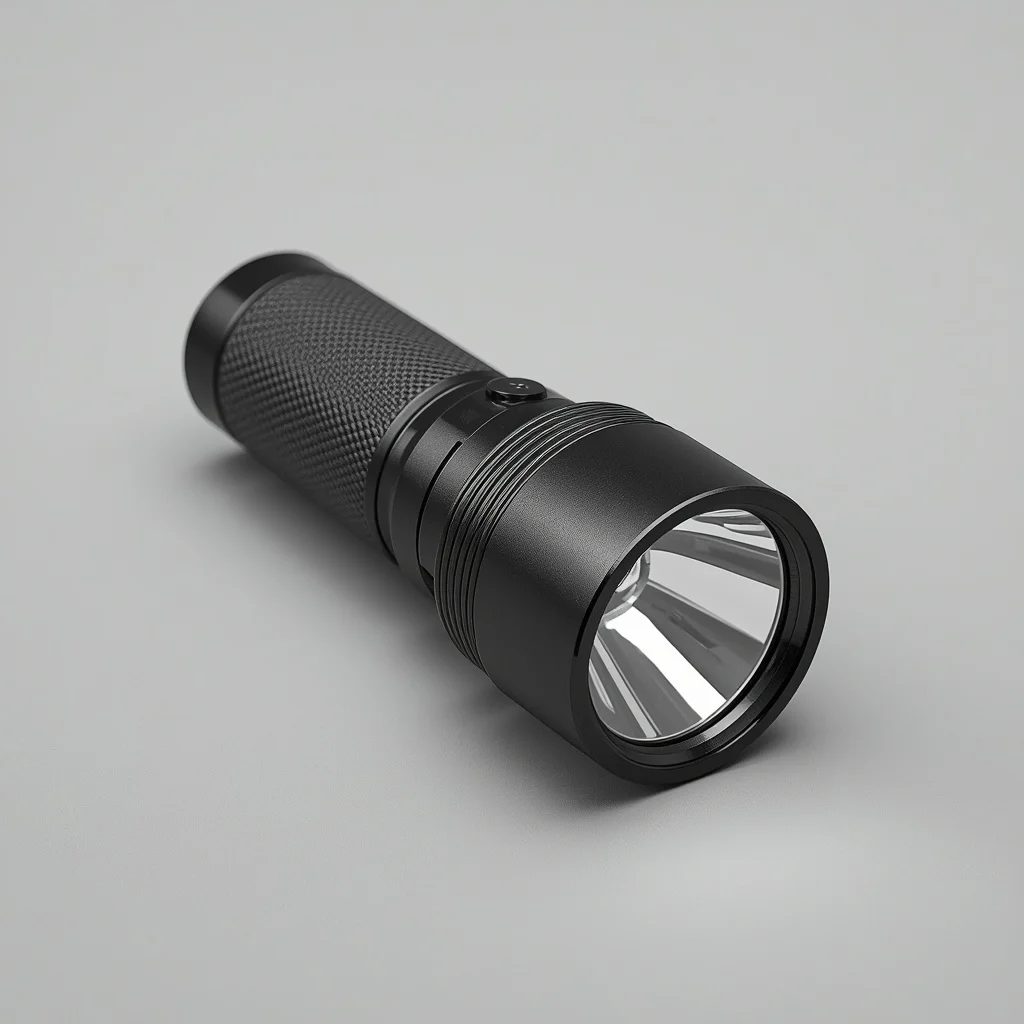
Some small flashlights have an overall length close to six inches. They are common household and outdoor tools, so they can offer a useful comparison.
However, flashlight designs vary. Some are much shorter, while others are considerably longer.
Six Inches in Centimeters
Six inches equals exactly 15.24 centimeters.
Centimeters are part of the metric system, which many countries use for everyday measurements. If you are comparing US product dimensions with international measurements, this conversion is especially helpful.
The conversion formula is simple:
1 inch = 2.54 centimeters
Multiply six by 2.54:
6 × 2.54 = 15.24 cm
| Inches | Centimeters |
|---|---|
| 1 inch | 2.54 cm |
| 2 inches | 5.08 cm |
| 3 inches | 7.62 cm |
| 4 inches | 10.16 cm |
| 5 inches | 12.70 cm |
| 6 inches | 15.24 cm |
This conversion helps when measuring furniture, small packages, electronics, and household accessories.
Six Inches in Millimeters
Six inches equals 152.4 millimeters.
Millimeters are useful when you need a more detailed measurement. For example, they often appear in hardware specifications, product designs, engineering measurements, and small construction projects.
Since one inch equals 25.4 millimeters, multiply six by 25.4.
6 × 25.4 = 152.4 mm
This means six inches is slightly more than 150 millimeters.
Six Inches in Feet
Six inches equals exactly 0.5 feet, or half a foot.
There are 12 inches in one foot. Therefore, six inches represents half of that distance.
| Inches | Feet |
|---|---|
| 3 inches | 0.25 ft |
| 6 inches | 0.5 ft |
| 9 inches | 0.75 ft |
| 12 inches | 1 ft |
| 18 inches | 1.5 ft |
| 24 inches | 2 ft |
This conversion is useful when measuring furniture, room features, building materials, and other items listed in feet.
Six Inches in Meters
Six inches equals 0.1524 meters.
A meter contains 100 centimeters, so you can convert 15.24 centimeters into meters by dividing by 100.
This gives you 0.1524 meters.
Although meters are more common for measuring larger distances, this conversion helps when working with international product specifications or technical measurements.
How Big Is 6 Inches Compared With a Ruler?
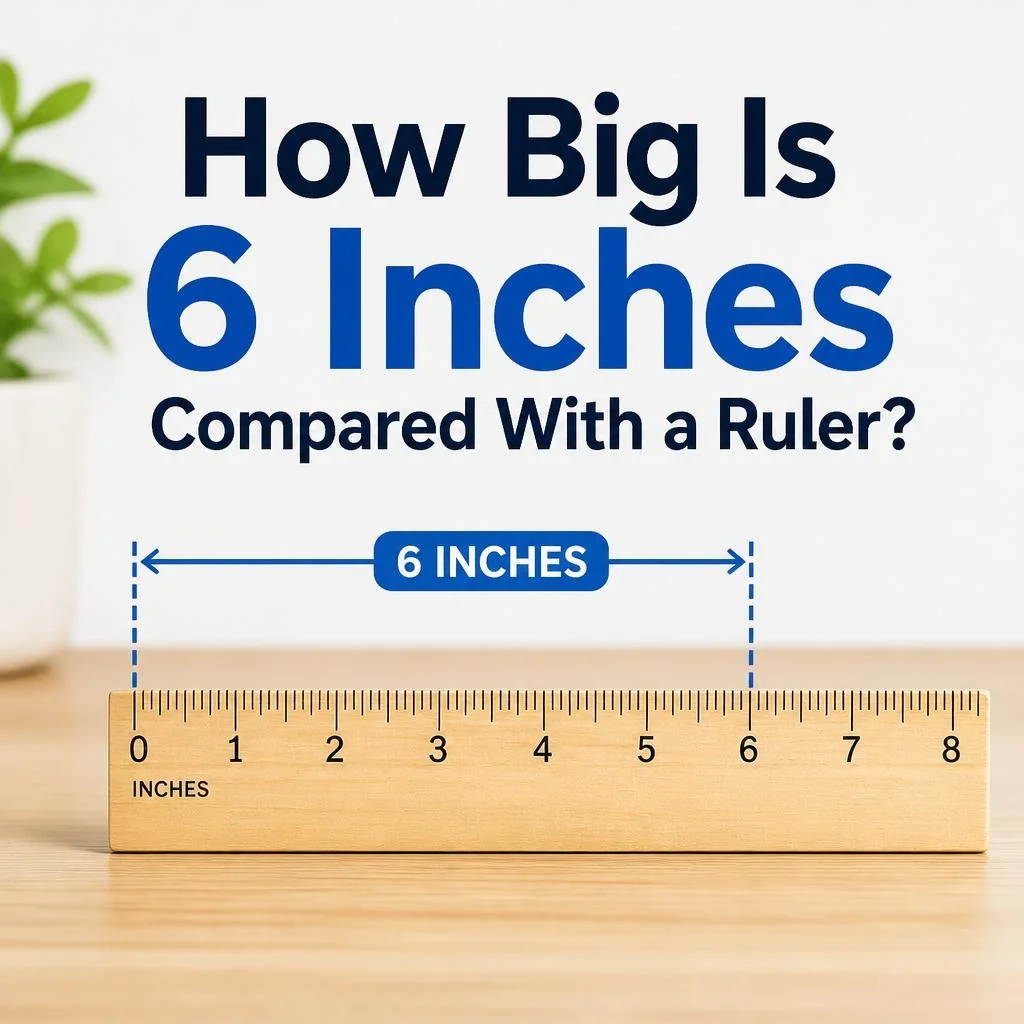
A standard ruler in the United States often measures 12 inches long. Six inches therefore covers exactly half its total length.
If you have a 12-inch ruler, place your finger at the six-inch mark. The distance between the zero mark and your finger represents the measurement.
Many rulers also display centimeters along the opposite edge. On that side, six inches lines up with 15.24 centimeters.
A ruler is one of the most reliable tools for checking this length because it shows both inches and smaller divisions.
How to Measure 6 Inches Without a Ruler

Sometimes you need to estimate a measurement but do not have a ruler nearby. Fortunately, several everyday methods can help.
Use a Dollar Bill
A standard US dollar bill measures approximately 6.14 inches along its longer edge.
Place the bill beside the object you want to measure. If the object is almost the same length, it is close to six inches.
Use a Measuring Tape
A measuring tape provides a quick and accurate way to check six inches.
Start at the zero mark and extend the tape until it reaches six inches. Keep the tape straight to avoid an incorrect reading.
Use Your Hand
Measure your hand from the wrist crease to the tip of your middle finger. If the result is close to six inches, you can use your hand as a personal reference.
This method is convenient, but it will not be accurate for everyone.
Fold a 12-Inch Paper Strip
If you have a strip of paper measuring 12 inches, fold it exactly in half.
The folded section represents six inches. You can use it to estimate the length of other objects.
Mark the Length on Paper
If you have access to a measuring tool once, draw a straight six-inch line on a piece of paper. Keep that paper as a reference for future comparisons.
This simple method works well for small household projects.
Is 6 Inches Considered Long or Short?

Six inches is generally considered a short length in everyday measurements. It is half a foot, so it works well as a reference for compact objects and small household items.
However, whether six inches feels long or short depends on what you are measuring.
For example, six inches is a noticeable length for a small electronic accessory. On the other hand, it is very short compared with a dining table, a door, or a room.
The purpose of the measurement matters more than the number itself.
Where Is a 6-Inch Measurement Commonly Used?
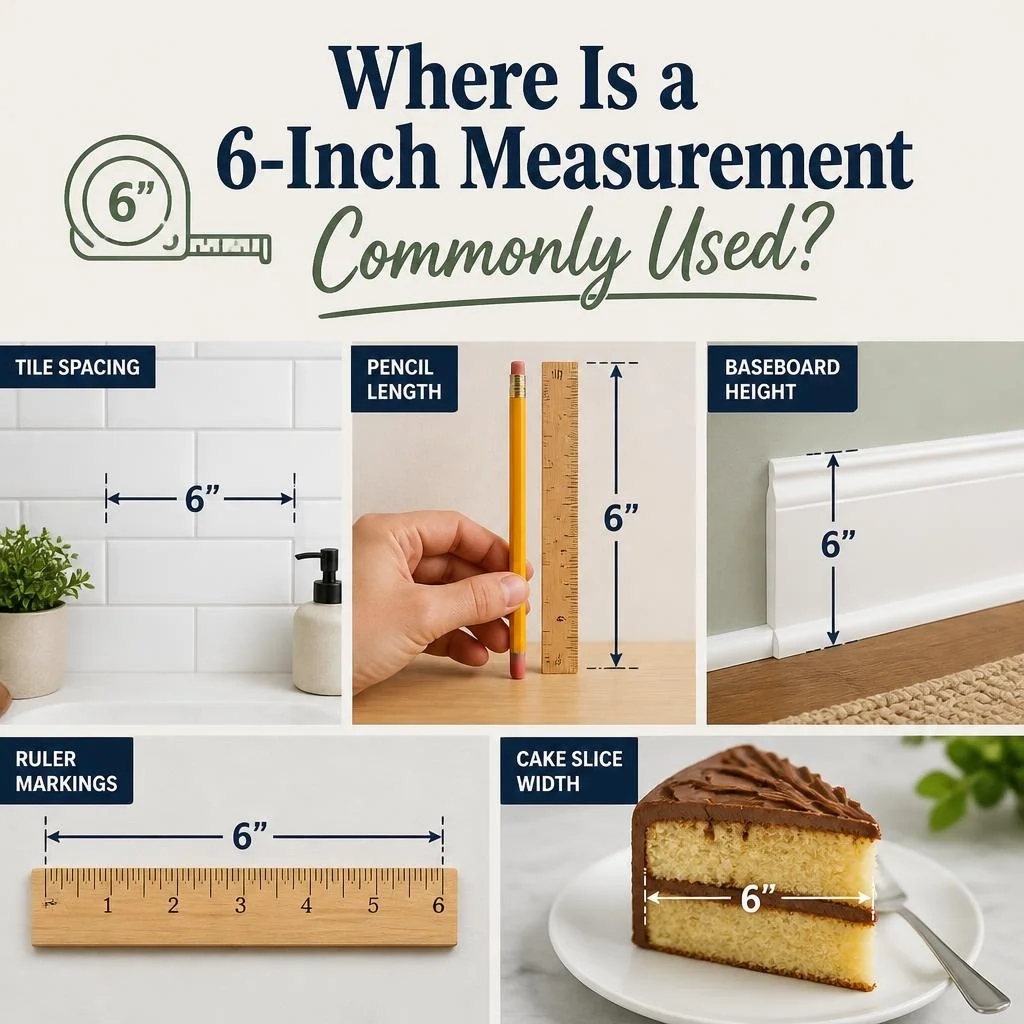
Six inches appears in many everyday situations. Understanding this length can help you choose products, complete small projects, and compare dimensions.
Home Improvement
Home improvement projects often involve inches. You may need to check the spacing between fixtures, the size of a small shelf, or the dimensions of hardware.
A six-inch measurement can help when working with compact spaces and smaller materials.
Kitchen Accessories
Some kitchen tools and accessories have dimensions close to six inches. Small utensils, storage containers, and cooking accessories may use inches in their product descriptions.
Check the manufacturer’s specifications before buying if the size needs to fit a particular drawer or storage area.
Electronics
Compact electronic accessories sometimes measure around six inches. Examples include small devices, adapters, and certain portable accessories.
However, screen size and device length are not always the same. Always check the product’s full dimensions before making a purchase.
Clothing and Sewing
Six inches can appear in sewing patterns, fabric measurements, hems, and clothing alterations.
Accurate measurements matter when cutting fabric. A small difference can change the fit or appearance of a finished item.
School and Office Supplies
Notebooks, stationery, pencil cases, and other supplies may use dimensions close to six inches.
This measurement can help when choosing compact storage products or organizing a desk.
Common Measurement Mistakes to Avoid
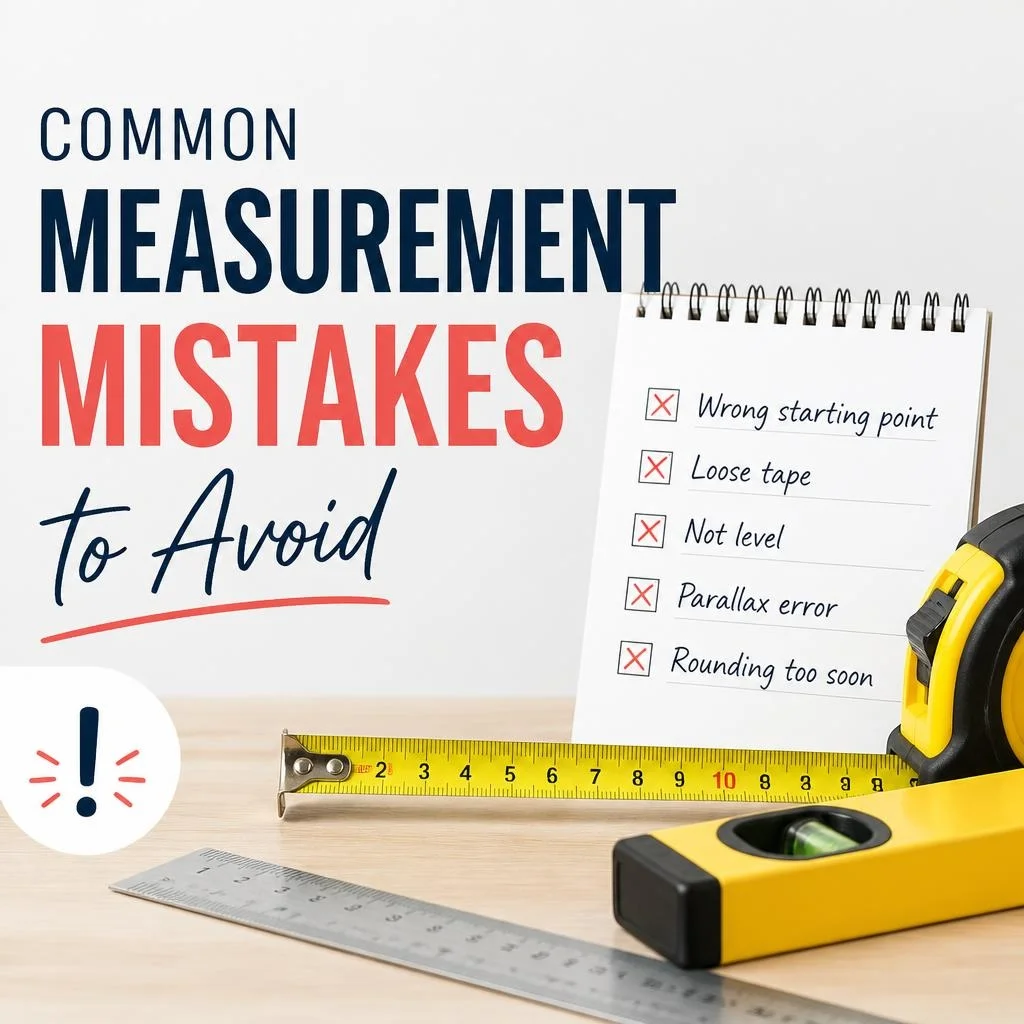
Even a simple measurement can become confusing if you mix different units or use an unreliable reference.
Here are a few mistakes to avoid:
- Confusing inches with centimeters: Six inches equals 15.24 centimeters, not 6 centimeters.
- Mixing up length and width: An object may be six inches long but much narrower.
- Ignoring product variations: Similar household objects may have different dimensions.
- Starting at the wrong ruler mark: Always begin at zero rather than the edge of a damaged ruler.
- Estimating without checking: Visual comparisons are helpful, but use a ruler when accuracy matters.
A careful measurement helps prevent mistakes when shopping, building, or organizing items.
Frequently Asked Questions
How many centimeters are in 6 inches?
Six inches equals 15.24 centimeters. You can calculate this by multiplying six by 2.54.
Is 6 inches half a foot?
Yes. One foot contains 12 inches, so six inches equals exactly half a foot.
How many millimeters is 6 inches?
Six inches equals 152.4 millimeters.
What common object is about 6 inches long?
A standard US dollar bill is approximately 6.14 inches long. Its longer side provides a useful comparison for six inches.
Is 6 inches bigger than a smartphone?
It depends on the phone. Many smartphones measure more than six inches in overall length, while others are shorter. Check the device’s listed dimensions for an exact comparison.
How can I measure 6 inches with my hand?
Measure from the wrist crease to the tip of your middle finger. Your hand may provide a close estimate, but individual hand sizes vary.
How many inches are in half a foot?
Half a foot contains six inches.
How many feet are in 6 inches?
Six inches equals 0.5 feet.
Is 15 centimeters the same as 6 inches?
Not exactly. Six inches equals 15.24 centimeters. Fifteen centimeters is slightly shorter.
How long is 6 inches compared with a dollar bill?
A standard US dollar bill measures approximately 6.14 inches long. It is just 0.14 inches longer than six inches.
Conclusion
Six inches measures 15.24 centimeters, 152.4 millimeters, and half a foot. It is a useful everyday measurement for comparing small household objects, electronics, tools, and accessories.
A standard US dollar bill offers one of the easiest ways to visualize this length because its longer side measures about 6.14 inches. You can also use a ruler, measuring tape, or a personal hand measurement to estimate the distance.
Once you understand how six inches looks in everyday life, it becomes easier to compare product sizes and work with measurements at home.

Lucas Morgan is a passionate writer who enjoys creating helpful, engaging, and practical content for readers. He focuses on sharing clear ideas, useful insights, and creative inspiration through every article.


