
Four inches may seem like a small measurement, but it appears in many everyday items, from sticky notes and photo prints to small household accessories. Knowing what this length looks like can help you estimate an object’s size when you do not have a ruler nearby.
Four inches equals 10.16 centimeters or 101.6 millimeters. It is one-third of a foot and one inch shorter than a standard five-inch measurement. Although some objects measure exactly four inches, others are only close to this length, depending on their design or manufacturer.
In this guide, you will discover 15 things that are four inches long or have a four-inch dimension, along with accurate conversions, practical comparisons, and simple measuring methods.
How Long Is 4 Inches?
Four inches is a short but useful length in the US customary measurement system. You may encounter it when measuring small products, checking furniture accessories, working on crafts, or reading product dimensions online.
Here are the exact conversions:
| Measurement unit | Equivalent |
|---|---|
| Inches | 4 inches |
| Centimeters | 10.16 cm |
| Millimeters | 101.6 mm |
| Meters | 0.1016 m |
| Feet | 0.3333 ft |
| Yards | 0.1111 yd |
For everyday purposes, you can remember that four inches is approximately 10 centimeters. However, the exact conversion is 10.16 cm, which matters when you need a more precise measurement.
It is also helpful to remember that four inches is one-third of a foot because a foot contains 12 inches. This makes it easier to estimate the measurement using a standard ruler.
15 Things That Are 4 Inches Long or Close to It
The following objects offer practical ways to picture this length. Some have a standard four-inch dimension, while others provide approximate comparisons. Always check the actual size if accuracy matters.
1. A 4-Inch Square Sticky Note

<AsyncImage query=”four inch square yellow sticky notes on desk close up” aspectRatio=”5:4″ width=”100%” />
Some sticky notes are sold in four-inch-by-four-inch square formats. Each side measures exactly four inches when the product follows that specification.
This makes a square sticky note one of the easiest ways to visualize the measurement. The paper is wide enough to cover a small section of a notebook or desk, yet compact enough to fit into many organizers.
Keep in mind that sticky notes also come in three-inch, five-inch, and other sizes. Check the package dimensions before using one as a measuring reference.
2. The Short Side of a 4 × 6 Photo Print

<AsyncImage query=”standard 4×6 inch printed photograph on tabletop with ruler” aspectRatio=”5:4″ width=”100%” />
A common US photo print measures four inches by six inches. Its shorter side is exactly four inches, while its longer side measures six inches.
This provides a useful comparison because 4 × 6-inch prints are widely used for family photographs, vacation pictures, and everyday photo printing.
If you have a standard print, measure across its shorter edge to see what four inches looks like. Remember that digital images can be cropped or printed at different sizes, so the physical print dimensions matter.
3. A Four-Inch Ruler Section

<AsyncImage query=”four inch section marked on standard inch ruler close up” aspectRatio=”5:4″ width=”100%” />
A ruler marked in inches gives you the most direct way to understand this length. Simply look at the distance from the zero mark to the four-inch line.
The measurement covers four one-inch intervals. Each interval is divided into smaller fractions on many rulers, allowing you to compare four inches with lengths such as 3.5 or 4.25 inches.
Unlike everyday objects, a ruler is designed for measuring. Therefore, it is the best choice when you need an exact result for schoolwork, crafts, or home projects.
4. A Four-Inch Tile
<AsyncImage query=”small square four inch ceramic tile isolated on neutral surface” aspectRatio=”5:4″ width=”100%” />
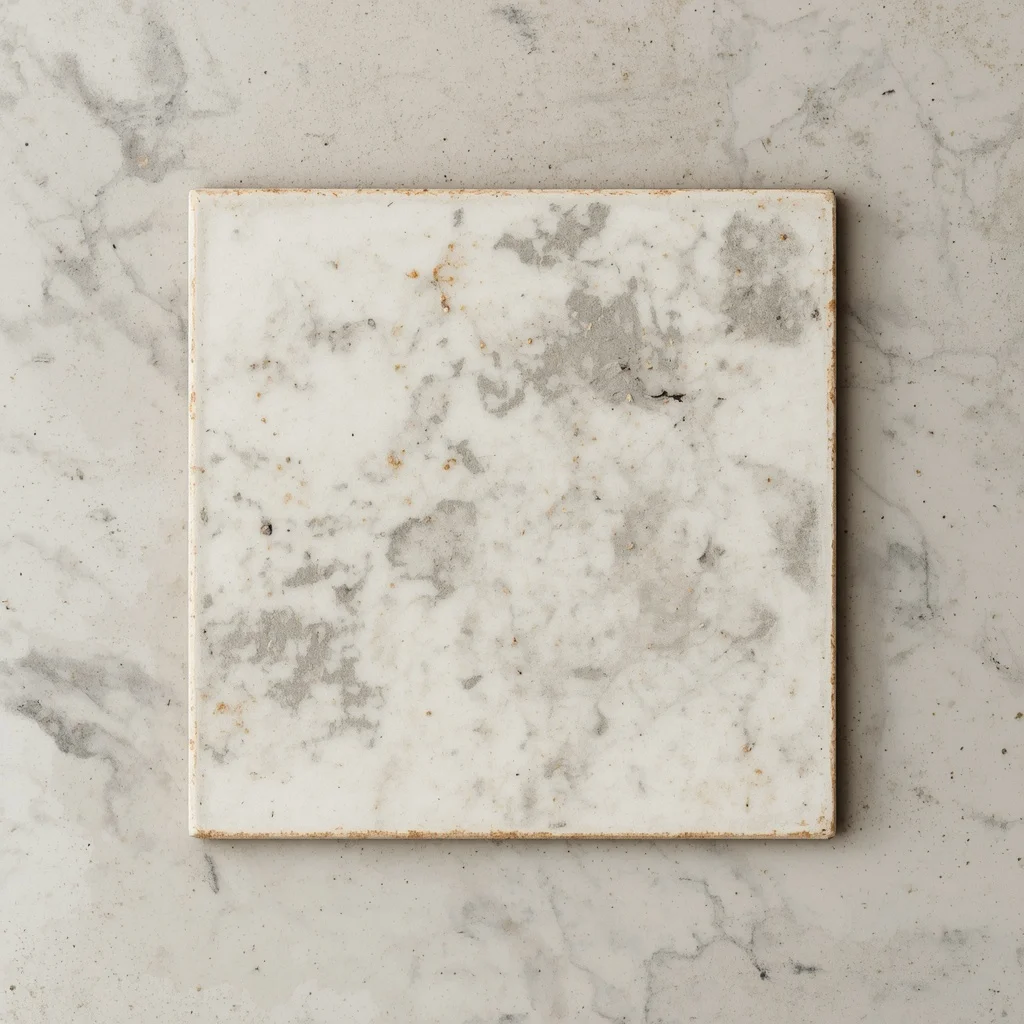
Some decorative and specialty tiles are available in four-inch square sizes. When a tile measures four inches on each side, its width and height both provide a clear example of the measurement.
Small tiles may be used for mosaics, craft projects, decorative borders, and certain repair jobs. However, tile sizes vary considerably, and the nominal size may differ slightly from the actual measured dimensions.
If you are buying replacement tiles, check both the stated size and the manufacturer’s specifications rather than relying on a visual estimate.
5. A Four-Inch Drink Coaster

<AsyncImage query=”round four inch drink coaster beside drinking glass on table” aspectRatio=”5:4″ width=”100%” />
Many drink coasters measure around four inches across, although their dimensions depend on the style and manufacturer.
A coaster with a four-inch diameter offers a useful example of a short distance. If it is round, measure straight across the center from one outer edge to the opposite edge. That measurement is its diameter.
Do not confuse diameter with circumference. Diameter measures the straight-line distance across the circle, while circumference measures the distance around its outer edge.
6. A Small Notepad’s Width

<AsyncImage query=”small compact paper notepad approximately four inches wide on desk” aspectRatio=”5:4″ width=”100%” />
Some compact notepads are approximately four inches wide. Their overall dimensions depend on the format, but a notepad of this size makes it easy to visualize a short horizontal measurement.
For example, a four-inch-wide notepad could fit into a small bag or desk organizer, depending on its height and thickness.
Use the width printed on the product packaging if you need a reliable figure. Not all pocket notebooks share the same dimensions, and some are narrower or wider than four inches.
7. A Small Craft Paper Square

<AsyncImage query=”four inch square colored craft paper pieces arranged neatly” aspectRatio=”5:4″ width=”100%” />
A four-inch square of craft paper is a simple example that you can create yourself. Measure four inches along the top edge and four inches down the side, then cut the paper to size.
This project also demonstrates the difference between length and area. Each side measures four inches, but the total area is 16 square inches because four multiplied by four equals 16.
Craft paper is useful for decorations, greeting cards, paper folding, scrapbooking, and classroom activities. A ruler and pencil help you keep the edges straight and the dimensions consistent.
8. A Four-Inch Wooden Block
<AsyncImage query=”small wooden cube four inches wide on workbench” aspectRatio=”5:4″ width=”100%” />
A wooden block can be cut to four inches in length, width, or height. If it is a cube with every side measuring four inches, it provides a three-dimensional example of this measurement.
Wood blocks are commonly used in woodworking, model making, children’s building activities, and DIY projects. However, the dimensions of commercially available blocks vary, so not every small wooden cube measures four inches.
When measuring a block, specify which side you mean. A block might be four inches long but only two inches wide.
9. A Small Picture Frame’s Side

<AsyncImage query=”small square picture frame approximately four inches wide on tabletop” aspectRatio=”5:4″ width=”100%” />
Some small picture frames have sides that measure about four inches. A square frame with four-inch outer dimensions offers a simple visual comparison, especially when placed beside a ruler.
However, frame measurements can refer to the outside dimensions, the opening, or the size of the photograph the frame holds. These are not always identical.
If you are shopping for a frame, check the product specifications carefully. A frame described as suitable for a four-inch photo may have larger external dimensions.
10. A Four-Inch Section of Ribbon
<AsyncImage query=”short four inch piece of satin ribbon beside measuring ruler” aspectRatio=”5:4″ width=”100%” />
Ribbon is easy to cut into a four-inch length for wrapping gifts, decorating cards, making small bows, or completing craft projects.
To measure it, lay the ribbon flat and align one end with the ruler’s zero mark. Then cut at the four-inch line.
Because ribbon can bend, twist, or stretch slightly depending on its material, keep it straight while measuring. This simple example works well when you need to create several pieces of the same length.
11. A Small Desk Accessory

<AsyncImage query=”compact four inch desk accessory paper clip holder beside ruler” aspectRatio=”5:4″ width=”100%” />
Some compact desk accessories, such as small holders, organizers, or decorative objects, have a dimension close to four inches.
These products are useful for visualizing the length because they often sit beside familiar items such as pens, notebooks, and keyboards. Nevertheless, desk accessories do not follow one universal size standard.
Check the listed width, height, or depth to identify which measurement is close to four inches. An object can be four inches tall without being four inches wide.
12. A Small Ceramic Dish
<AsyncImage query=”small ceramic dipping dish approximately four inches across on kitchen counter” aspectRatio=”5:4″ width=”100%” />
Small dipping dishes and condiment bowls often measure around four inches across, although some are considerably smaller or larger.
For a round dish, the relevant measurement is usually its diameter across the top. Its base may be narrower, and its depth is a separate measurement altogether.
This comparison can help you picture four inches in a kitchen setting. However, use the dish’s stated dimensions if you need to determine whether it fits into a particular cabinet, tray, or storage space.
13. A Four-Inch Wooden Craft Stick

<AsyncImage query=”short wooden craft sticks four inches long arranged beside ruler” aspectRatio=”5:4″ width=”100%” />
Craft sticks are sold in several lengths, including small formats that measure approximately four inches. Their exact dimensions depend on the product.
These sticks are often used for school projects, miniature structures, decorations, and simple art activities. If your project requires a specific length, measure the stick before gluing or cutting it.
A four-inch stick is a useful visual reference because it is long and narrow. It demonstrates that an object can measure four inches in length while remaining much shorter in width.
14. A Small Rectangular Storage Box
<AsyncImage query=”small rectangular cardboard storage box about four inches long on plain background” aspectRatio=”5:4″ width=”100%” />
Some small storage boxes measure four inches along one side. They may hold jewelry, craft supplies, small gifts, or office accessories.
The important detail is that a box has three dimensions: length, width, and height. A box measuring four inches long might be three inches wide and two inches tall, for example.
When buying a container, compare all three dimensions with the available space. Measuring only one side will not tell you whether the entire box will fit.
15. A Small Decorative Candle

<AsyncImage query=”short small decorative candle approximately four inches tall on tabletop” aspectRatio=”5:4″ width=”100%” />
Some small decorative candles stand around four inches tall. This can be a useful visual comparison for a vertical measurement, especially when the candle is placed beside a ruler.
Candles come in many forms, including votives, pillars, jars, and tapered designs. Their height and width vary, so four inches is an example rather than a universal candle size.
If you are arranging candles on a shelf or table, check both height and diameter. These dimensions determine how much space each candle occupies.
How Big Is 4 Inches Compared With Common Measurements?
Understanding nearby lengths can make it easier to estimate four inches without confusing it with three or five inches.
| Length | Centimeters | Comparison |
|---|---|---|
| 1 inch | 2.54 cm | One quarter of four inches |
| 2 inches | 5.08 cm | Half of four inches |
| 3 inches | 7.62 cm | One inch shorter |
| 4 inches | 10.16 cm | The target measurement |
| 5 inches | 12.7 cm | One inch longer |
| 6 inches | 15.24 cm | One and a half times as long |
| 12 inches | 30.48 cm | One foot, or three times four inches |
For example, a four-inch section is one inch longer than a three-inch section. If you compare four inches with a six-inch object, the four-inch measurement covers two-thirds of its length.
These relationships are useful when estimating dimensions from a ruler, planning a craft project, or comparing two products online.
How to Measure Four Inches Accurately

If you need an exact measurement, use a ruler or tape measure rather than relying only on object comparisons.
Use an Inch Ruler
Place the starting edge of the object at the zero mark. Find the line labeled four inches and check where the other edge falls.
Make sure you use the zero marking instead of the physical end of the ruler. Some rulers have a small blank section before the first measurement line, which can cause errors.
Use a Metric Ruler
If your ruler uses centimeters, measure 10.16 cm. On a ruler marked in millimeters, the target is 101.6 mm.
Many rulers show whole millimeters rather than fractions of a millimeter. In that case, 102 mm is a practical approximation, while 101.6 mm remains the exact conversion.
Use a Tape Measure
A tape measure is useful for measuring objects that are curved, awkwardly shaped, or difficult to place on a flat surface.
Keep the tape straight and aligned with the dimension you want to measure. Avoid pulling it diagonally across the object, as this can produce an incorrect result.
Measure Twice Before Cutting
When cutting paper, ribbon, wood, or other materials, check the measurement before making the cut. A small error can become noticeable when you repeat it across several pieces.
For DIY projects, also consider whether the instructions specify the final size or the size before cutting, folding, or joining pieces together.
Frequently Asked Questions
What is 4 inches in centimeters?
Four inches equals exactly 10.16 centimeters. For rough estimates, you can think of it as about 10 centimeters.
How many millimeters are in 4 inches?
Four inches equals 101.6 millimeters. This is slightly less than 102 mm.
What common object is exactly 4 inches long?
The shorter side of a standard 4 × 6-inch photo print is exactly four inches. A four-inch ruler section or a craft-paper strip cut to the same length also provides an exact reference.
Is 4 inches a long measurement?
Four inches is relatively short. It equals one-third of a foot and is useful for describing small objects, compact accessories, and short distances.
Is a 4-inch sticky note available?
Yes. Four-inch square sticky notes are sold in some formats, although many sticky notes are smaller. Check the package dimensions to confirm the size.
How can I visualize four inches without a ruler?
A standard 4 × 6-inch photo print, a four-inch square sticky note, or a piece of ribbon cut to four inches can help. If you do not have these items, compare the distance with a ruler when one becomes available.
Is 4 inches the same as 10 centimeters?
Not exactly. Four inches equals 10.16 centimeters, which is 0.16 cm longer than 10 centimeters.
Why do length, width, and height matter?
An object can measure four inches in one direction but have different dimensions in the other directions. Checking length, width, and height helps you determine whether it will fit in a space or meet a project’s requirements.
Conclusion
Four inches equals 10.16 centimeters, 101.6 millimeters, and approximately one-third of a foot. You can visualize this length with a standard 4 × 6-inch photo print’s shorter side, a four-inch square sticky note, or a piece of craft material cut to the same length.
Other items, such as small dishes, storage boxes, candles, and desk accessories, may also measure around four inches in one dimension, but their sizes vary by design.
For quick estimates, familiar objects are helpful. For accurate work, however, use a ruler or tape measure and check the exact dimension you need. Remembering the conversion 4 inches = 10.16 cm makes it easier to understand product sizes, complete crafts, and measure everyday items with confidence.

Lucas Morgan is a passionate writer who enjoys creating helpful, engaging, and practical content for readers. He focuses on sharing clear ideas, useful insights, and creative inspiration through every article.