

Ten inches is a measurement you may encounter when shopping for household products, checking furniture dimensions, working on a craft project, or comparing the size of everyday objects. Although the number sounds simple, picturing this length can be difficult without a familiar reference.
The easiest way to understand it is to compare it with a standard ruler, a sheet of printer paper, or other objects found around an American home. These comparisons help you estimate the size before you pick up a measuring tape.
Ten inches equals 25.4 centimeters, 254 millimeters, and approximately 0.83 feet. It falls 2 inches short of a full foot and measures just 1 inch less than the long edge of standard US letter paper.
In this guide, you will learn the exact conversions, discover useful real-world comparisons, and find out how to measure this length accurately for shopping, home projects, and everyday tasks.
Exact Dimensions at a Glance
Before comparing objects, it helps to understand the measurement in different units. Inches remain common in the United States, while centimeters and millimeters often appear on imported products and technical specifications.
Here is a quick reference table:
| Measurement unit | Equivalent |
|---|---|
| Inches | 10 inches |
| Centimeters | 25.4 cm |
| Millimeters | 254 mm |
| Meters | 0.254 m |
| Decimal feet | 0.8333 ft |
| Feet and inches | 0 ft 10 in |
| Yards | 0.2778 yd |
| Kilometers | 0.000254 km |
These conversions describe the same physical length. The number changes because each unit uses a different scale.
For most everyday situations, remembering the centimeter conversion is especially useful. If a product measures 25.4 cm long, it measures exactly 10 inches.
How to Convert Inches Into Other Units
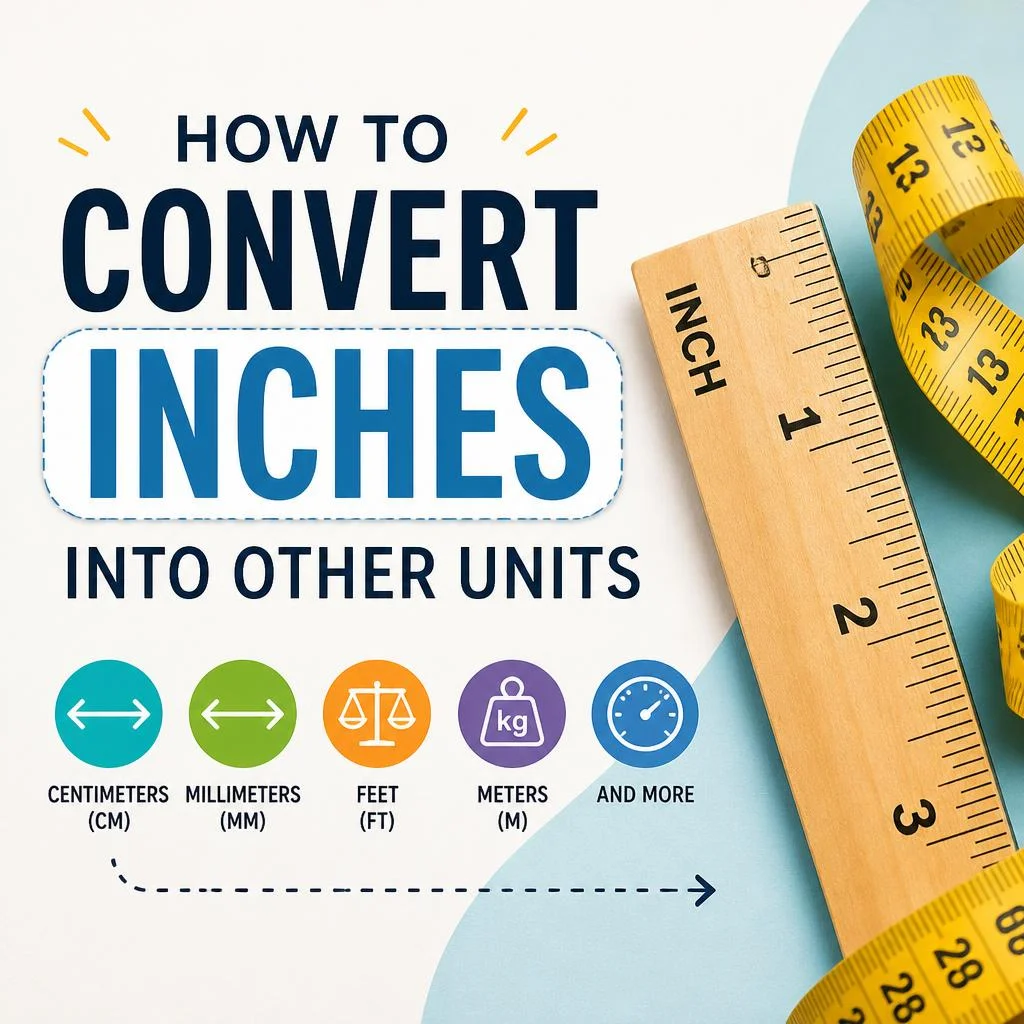
Converting measurements is straightforward once you know the basic formulas. You can use these calculations to understand product listings, compare international dimensions, or plan a project.
Inches to Centimeters
One inch equals exactly 2.54 centimeters. Multiply the number of inches by 2.54 to convert the measurement.
For this length, the calculation is:
10 × 2.54 = 25.4 cm
Therefore, the measurement is exactly 25.4 centimeters. This conversion is useful when an American product listing uses inches but a metric ruler is available.
Inches to Millimeters

One inch equals 25.4 millimeters. Multiplying 10 by 25.4 gives 254 millimeters.
Millimeters work well for smaller components, narrow gaps, hardware, and craft materials. They also help when a project requires more precision than a ruler marked only in whole centimeters can provide.
Inches to Feet
A standard foot contains 12 inches. To convert inches into decimal feet, divide the measurement by 12.
10 ÷ 12 = 0.8333 feet, approximately.
This result shows that the length is less than one foot. You can also express it as 0 feet and 10 inches, which is often easier to understand when measuring household objects.
Inches to Meters
One meter contains 100 centimeters. Since the measurement equals 25.4 centimeters, divide that value by 100.
25.4 ÷ 100 = 0.254 meters.
This conversion can help when comparing American product dimensions with measurements listed on international websites or packaging.
Seven Everyday Objects That Help You Picture the Size
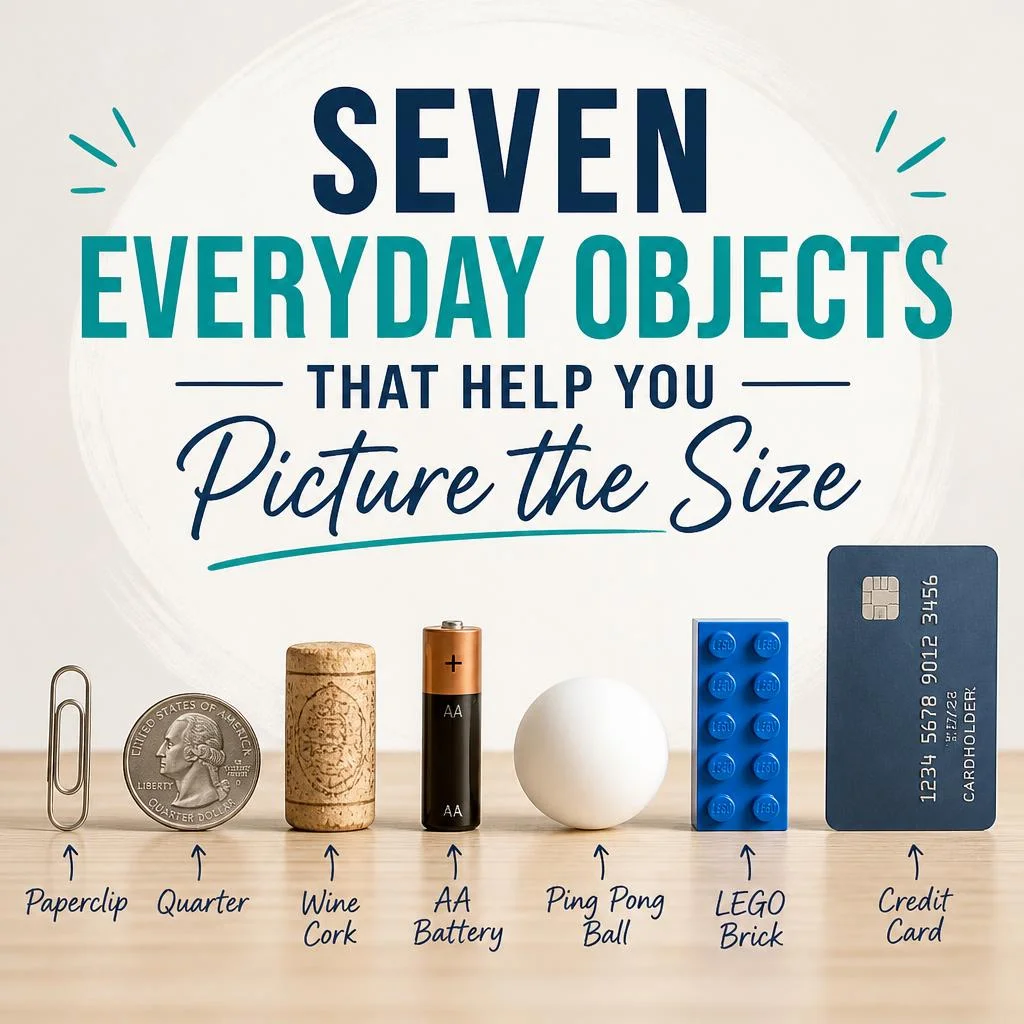
You do not always need a measuring tool to form a rough idea of a length. Familiar objects provide helpful visual references, although their dimensions can vary.
<AsyncImageGroup query={[“12 inch ruler on white background”,”US letter size printer paper sheet”,”US dollar bill on plain background”,”10 inch dinner plate overhead white background”]} aspectRatio=”5:4″ layout=”bento” />
1. A Standard 12-Inch Ruler
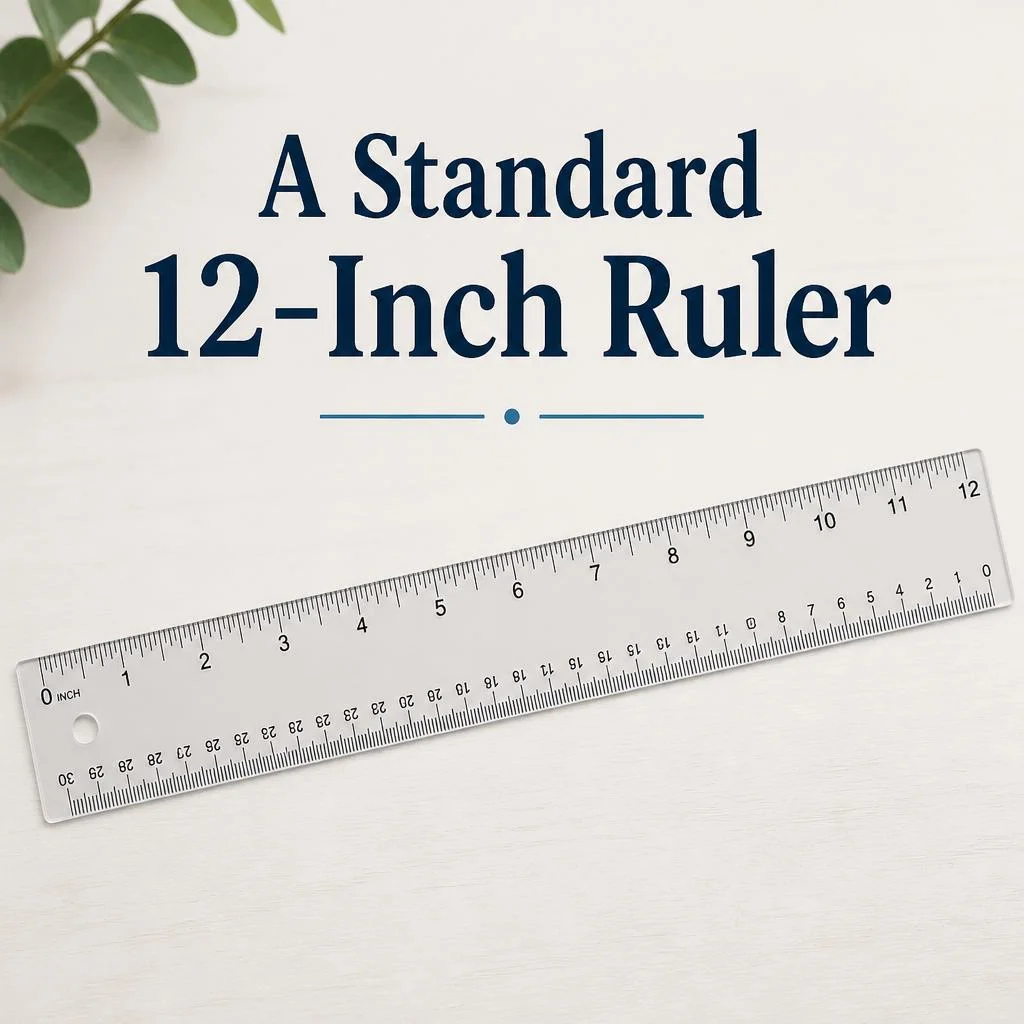
A 12-inch ruler provides one of the most reliable visual references because its markings show the exact length.
Find the 10-inch mark, and you will see that the remaining section measures 2 inches. This means the target length covers five-sixths of the ruler.
If you have a ruler nearby, place it next to an object you want to measure. You can quickly estimate whether the object is shorter or longer than the reference.
2. A Sheet of US Letter Paper

Standard US letter paper measures 8.5 inches wide and 11 inches long. Its longer edge is just 1 inch longer than the measurement discussed here.
Place a ruler along the paper’s long side. The 10-inch mark will fall close to the far edge, leaving a small 1-inch section.
The shorter edge offers another useful comparison. At 8.5 inches, it is 1.5 inches shorter.
This example works especially well in American homes, offices, and classrooms because letter-size paper is widely used for printing and everyday paperwork.
3. A US Dollar Bill

A US dollar bill measures approximately 6.14 inches long. That makes it shorter than the target length by about 3.86 inches.
You can place the bill beside a ruler to see the difference. The comparison also demonstrates why a single dollar bill is not a suitable substitute for a 10-inch measuring reference.
US paper currency has consistent dimensions across denominations, so a bill can still help you estimate smaller lengths.
4. A Dinner Plate

Many dinner plates measure roughly 10 to 12 inches across. A plate with a 10-inch diameter matches this length when measured straight across its center.
To understand the comparison, imagine a line connecting opposite edges of the plate. If the plate measures 10 inches in diameter, that line measures 10 inches too.
However, plate sizes differ between brands and styles. A plate that looks like the right size may measure 10.5 or 11 inches instead.
5. A Compact Tablet
Some compact tablets have a physical side close to this length. Such a device can offer a helpful comparison when you are trying to visualize the measurement.
There is one important detail to remember: manufacturers usually advertise tablet screen sizes diagonally. A tablet with a 10-inch display does not necessarily measure 10 inches in height or width.
Always check the physical dimensions if you need an accurate comparison.
6. A Small Notebook
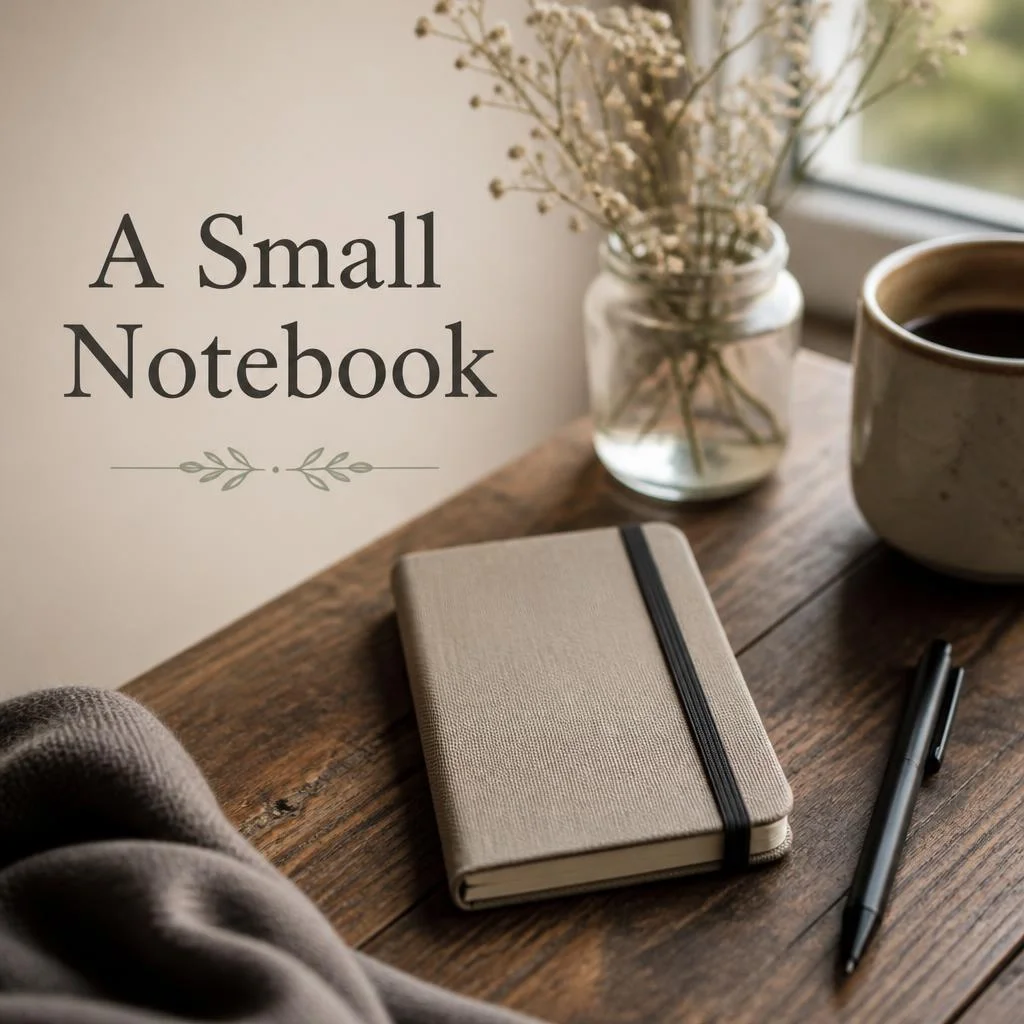
Some notebooks have a side measuring close to 10 inches, depending on their format. Larger notebooks can approach this length, while pocket notebooks are much smaller.
A notebook can help you form a rough visual estimate, but check its actual height and width before using it for a project.
7. A Kitchen Serving Tray
Small serving trays may measure around 10 inches along one side. Their dimensions depend on their shape and intended use.
A rectangular tray might measure 10 inches long but only 6 inches wide. A round tray, by contrast, may use a diameter measurement.
This is a useful reminder that the same number can describe different dimensions. Always check whether a product listing gives its length, width, height, or diameter.
Is It Almost a Foot Long?

Yes, but it does not reach a full foot. One foot contains 12 inches, so the difference is easy to calculate:
12 − 10 = 2 inches.
The measurement represents approximately 83.33% of a foot. In practical terms, it is a little more than five-sixths of the full length.
This distinction matters when checking whether an object will fit into a storage compartment, drawer, or shelf. A space measuring 10 inches may not accommodate an item that is 10.25 inches long.
For a snug fit, allow additional clearance rather than relying on rounded estimates.
Comparing 5, 8, 10, 12, and 15 Inches
Looking at nearby measurements can make differences in length easier to understand.
| Length | Centimeters | Relationship |
|---|---|---|
| 5 inches | 12.7 cm | Half the reference length |
| 8 inches | 20.32 cm | 2 inches shorter |
| 10 inches | 25.4 cm | Reference length |
| 12 inches | 30.48 cm | 2 inches longer |
| 15 inches | 38.1 cm | 5 inches longer |
| 20 inches | 50.8 cm | Twice the reference length |
An object measuring 5 inches is exactly half as long. Meanwhile, a 12-inch object extends 2 inches farther.
These differences can matter when comparing storage bins, kitchen accessories, organizers, and other products. Two objects may appear similar in a product photograph but have noticeably different dimensions in real life.
Where This Measurement Matters in Everyday Life

Understanding length is useful beyond simple conversions. It can help you make better decisions when shopping, organizing a home, or completing small projects.
Home Organization

When arranging shelves, drawers, and cabinets, compare an item’s dimensions with the available space. A container measuring 10 inches long may fit comfortably in a larger compartment, provided its width and height also work.
Remember that a cabinet’s external measurements do not show its full usable interior space. Hinges, dividers, and thick walls can reduce the available room.
DIY and Craft Projects

Paper crafts, sewing, decorations, and simple home projects often require repeatable measurements. Marking the length with a ruler before cutting helps keep each piece consistent.
If you need several pieces of the same size, measure each one separately. Small errors can accumulate when you use one incorrectly cut piece as the reference for the next.
For materials such as wood or plastic, also account for the cutting tool if the finished dimensions must be exact.
Shopping Online

Product descriptions sometimes list measurements in inches, while other listings use centimeters. Knowing that 10 inches equals 25.4 centimeters makes these listings easier to compare.
Pay attention to the order of the dimensions. A listing showing 10 × 6 × 4 inches may describe length, width, and height rather than three different versions of the same measurement.
Kitchen and Dining

Plates, trays, storage containers, and some kitchen accessories may have dimensions near this range. Comparing the product listing with a ruler helps you judge its real size before ordering.
For round products, look for the diameter. For rectangular products, check both length and width.
How to Measure This Length Correctly
A standard ruler or tape measure is enough for most everyday tasks. Follow these steps to avoid common errors.
- Place the zero mark at the starting point.
- Keep the ruler straight along the object’s edge.
- Find the 10-inch marking.
- Check where the object’s endpoint falls.
- Record the result in the unit you need.
If you are measuring a curved object, decide whether you need the straight-line distance or the distance along the curve. These measurements can be different.
For metric measurements, use the 25.4 cm point. If your ruler marks only whole centimeters, the endpoint will sit slightly beyond the 25 cm line.
When measuring a round object, distinguish between diameter and circumference. Diameter measures straight across the center, while circumference measures around the outside.
Common Mistakes to Avoid
Even a straightforward measurement can cause confusion if you use the wrong unit or reference.
- Confusing inches with feet: Ten inches is shorter than one foot. Ten feet equals 120 inches.
- Mixing length with area: Inches describe length, while square inches describe area.
- Assuming screen size equals device height: A screen’s advertised diagonal does not represent its physical height or width.
- Trusting visual estimates too much: Objects such as plates and notebooks come in different sizes.
- Rounding too early: The exact metric conversion is 25.4 cm, not 25 cm. Rounding may be acceptable for rough estimates but can cause problems when fitting parts together.
A quick check with a ruler can prevent most of these mistakes.
Frequently Asked Questions
How many centimeters are in 10 inches?
There are exactly 25.4 centimeters in 10 inches.
How many millimeters does this length equal?
It equals 254 millimeters.
Is it shorter than one foot?
Yes. One foot equals 12 inches, so the difference is exactly 2 inches.
What common object measures about this long?
A dinner plate may measure about 10 inches across, while standard US letter paper measures 11 inches along its longer edge. Actual dimensions vary by product.
Is this considered a large measurement?
It depends on the object. Ten inches is relatively large for a small accessory but short for furniture or many household fixtures.
How many feet does it equal?
It equals approximately 0.8333 feet, or 0 feet and 10 inches.
Is 10 inches equal to 25 centimeters?
No. It equals 25.4 centimeters, making it 0.4 centimeters longer than 25 centimeters.
Can I estimate this length without a ruler?
Yes. Standard US letter paper is 11 inches long, so a point about 1 inch before its long edge gives a rough estimate. Use a measuring tool for precise work.
Conclusion
Ten inches equals 25.4 centimeters, 254 millimeters, and approximately 0.8333 feet. It is 2 inches shorter than a full foot and 1 inch shorter than the long edge of standard US letter paper.
A ruler provides the most accurate reference, while familiar items such as a dinner plate or compact tablet can help you visualize the size. However, everyday objects vary, so check their actual dimensions whenever precision matters.
Understanding these conversions makes it easier to compare products, plan home projects, and estimate measurements without confusion.

Lucas Morgan is a passionate writer who enjoys creating helpful, engaging, and practical content for readers. He focuses on sharing clear ideas, useful insights, and creative inspiration through every article.


