
Two inches may sound like a very small measurement, but it is useful for measuring everyday objects, checking product dimensions, and estimating short distances. Whether you are comparing an item’s size, working on a home project, or trying to picture a measurement without a ruler, understanding this length can make things easier.
Two inches equals 5.08 centimeters, 50.8 millimeters, or one-sixth of a foot. It is a little shorter than the height of a standard AA battery and slightly longer than the diameter of a golf ball.
This guide explains the exact size, common conversions, everyday comparisons, and simple ways to measure two inches accurately.
Exact Measurements of 2 Inches
Two inches is a fixed unit of length in the US customary measurement system. The same distance can be expressed in several other units depending on the situation.
| Measurement unit | Equivalent |
|---|---|
| Inches | 2 inches |
| Centimeters | 5.08 cm |
| Millimeters | 50.8 mm |
| Meters | 0.0508 m |
| Feet | 0.1667 ft |
| Yards | 0.0556 yd |
For most everyday tasks, 5.08 centimeters or approximately 51 millimeters is the easiest metric equivalent to remember.
The decimal values for feet and yards are useful for calculations, but they are less practical when you are trying to picture a small object. In those situations, comparing two inches with familiar items can help you visualize the distance.
How Big Is 2 Inches in Real Life?
A measurement becomes easier to understand when you compare it with something you have seen or handled. Two inches is about the length of a small battery’s height, depending on the battery type, and it is only a little longer than a golf ball’s diameter.
Here are several helpful comparisons.
1. Almost the Height of an AA Battery

A typical AA battery measures about 50.5 millimeters long, which is approximately 1.99 inches. That makes its length almost exactly two inches.
If you have a common AA battery at home, look at its longest dimension. It gives you a useful real-world reference for this measurement.
Keep in mind that batteries can vary slightly by design, and the comparison refers to the battery’s length rather than its width.
2. Slightly Longer Than a Golf Ball’s Diameter

A regulation golf ball has a minimum diameter of 1.68 inches. Two inches is therefore 0.32 inches longer than the ball’s diameter.
Imagine placing a golf ball beside a ruler. The ball’s widest point reaches about 1.68 inches, while the two-inch mark extends a little farther.
This comparison is especially useful because golf balls have a standardized minimum size, making them a more consistent reference than many household objects.
3. Shorter Than the Width of a Credit Card

A typical US bank or credit card measures approximately 3.375 inches wide. Two inches is noticeably shorter than that width.
If you picture the shorter distance across a standard credit card, you can estimate where the two-inch mark would fall. It would cover a little more than half the card’s width.
Use this only as a visual comparison. Card designs and other wallet-sized items can differ, so a ruler remains the better choice for precise work.
4. Smaller Than a Standard Sticky Note

Many common square sticky notes measure 3 by 3 inches. A two-inch length is one inch shorter than either side of that note.
You can visualize two inches by imagining a two-inch section along one edge of the sticky note. It would cover two-thirds of the full three-inch side.
Not all sticky notes use the same dimensions, so check the packaging if you need an exact reference.
5. A Short Section of a Ruler
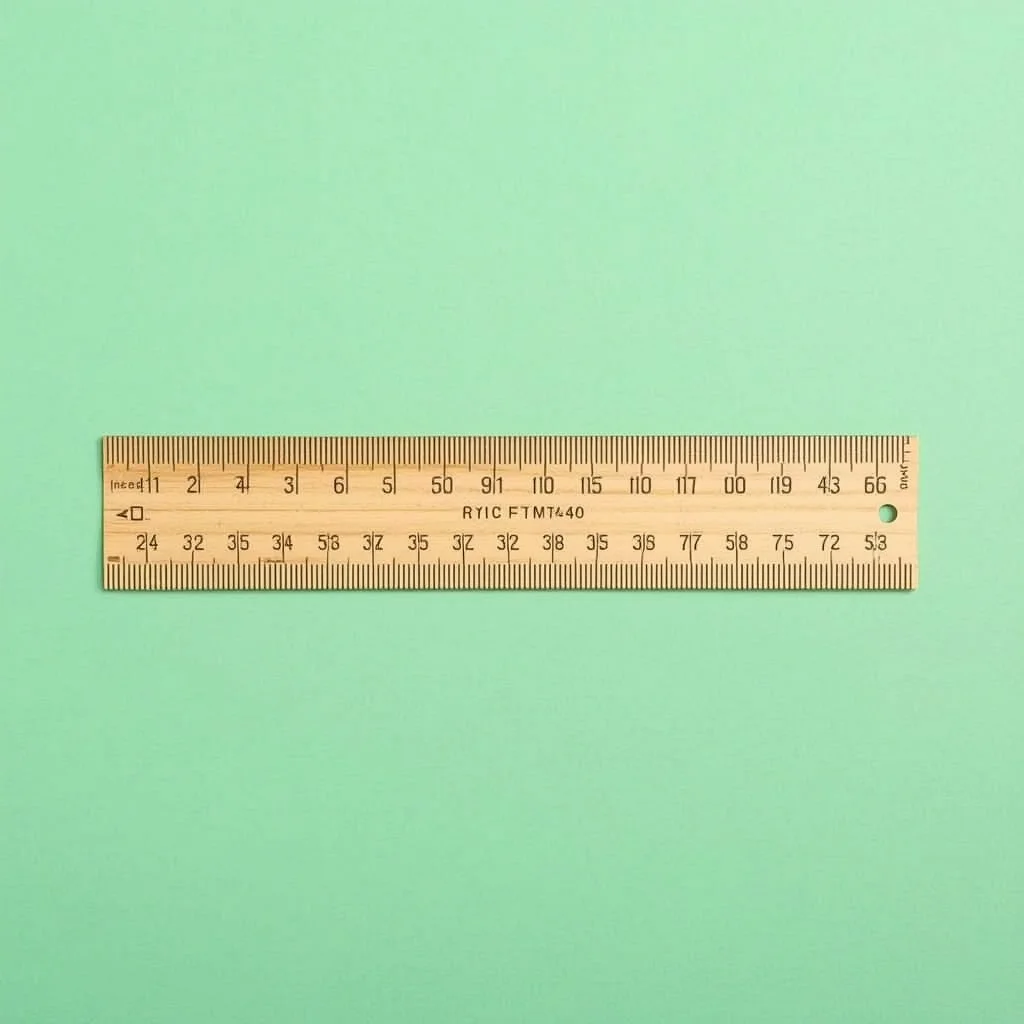
A standard ruler often has markings for every inch and smaller fractions of an inch. Two inches covers the distance from the zero mark to the two-inch mark.
This is the most direct comparison because the ruler is already divided into known units. It also helps you distinguish two inches from nearby measurements, such as one and a half inches or two and a half inches.
How Long Is 2 Inches in Centimeters and Millimeters?

The metric equivalents are particularly useful when you are reading international product specifications or using a metric ruler.
Inches to Centimeters
One inch equals 2.54 centimeters. To convert two inches, multiply 2 by 2.54.
2 × 2.54 = 5.08 centimeters
Therefore, two inches equals exactly 5.08 centimeters. If a task does not require high precision, you can describe it as approximately 5.1 centimeters.
For example, a product listed as two inches long should measure about 5.08 centimeters along the specified dimension.
Inches to Millimeters
There are 25.4 millimeters in one inch. Multiply that figure by two to calculate the equivalent length.
2 × 25.4 = 50.8 millimeters
This means two inches equals 50.8 mm. In everyday descriptions, people may round that figure to 51 mm, but 50.8 mm is the precise conversion.
Millimeters are especially useful for small parts, screws, fittings, craft materials, and other objects where a few millimeters can make a difference.
Inches to Meters
A meter contains 100 centimeters, so 5.08 centimeters equals 0.0508 meters.
Although meters are not the most convenient unit for such a short distance, this conversion can be helpful when entering measurements into engineering calculations or metric-based software.
How Does 2 Inches Compare With Other Lengths?
Small differences can be difficult to picture without a reference. Comparing nearby lengths helps you understand whether an object is shorter or longer than two inches.
| Length | Metric equivalent | Difference from 2 inches |
|---|---|---|
| 1 inch | 2.54 cm | 1 inch shorter |
| 1.5 inches | 3.81 cm | 0.5 inches shorter |
| 2 inches | 5.08 cm | Exact reference |
| 2.5 inches | 6.35 cm | 0.5 inches longer |
| 3 inches | 7.62 cm | 1 inch longer |
| 4 inches | 10.16 cm | 2 inches longer |
| 6 inches | 15.24 cm | 4 inches longer |
| 12 inches | 30.48 cm | 10 inches longer |
A half-inch difference may seem minor, but it can matter when fitting a component into a tight space. For example, an opening that measures two inches may not accommodate an object that measures 2.5 inches across.
That is why checking the actual dimensions is important when buying replacement parts, selecting hardware, or planning a small DIY project.
Everyday Objects That Help You Picture Two Inches
Apart from batteries and golf balls, you can use several familiar items to develop a better sense of short measurements. These examples are useful for estimating size, although they should not replace a measuring tool when accuracy matters.
Coins

A US quarter has a diameter of approximately 0.955 inches. Two quarters placed side by side would span about 1.91 inches, depending on how they are positioned.
That total is close to two inches but slightly shorter. This makes two quarters a handy rough estimate if you do not have a ruler nearby.
Do not confuse the diameter of a coin with its thickness. A coin is much thinner than two inches, and the comparison works only when considering its width across the face.
A Small Portion of a Phone
Smartphones vary considerably in their dimensions. A phone may be several inches wide or long, but a two-inch section represents only part of its overall size.
If you are using a phone for a rough visual estimate, avoid assuming that the phone itself has a standard measurement. Models differ, and even the same phone may look larger or smaller depending on its case.
A Small Piece of Craft Material
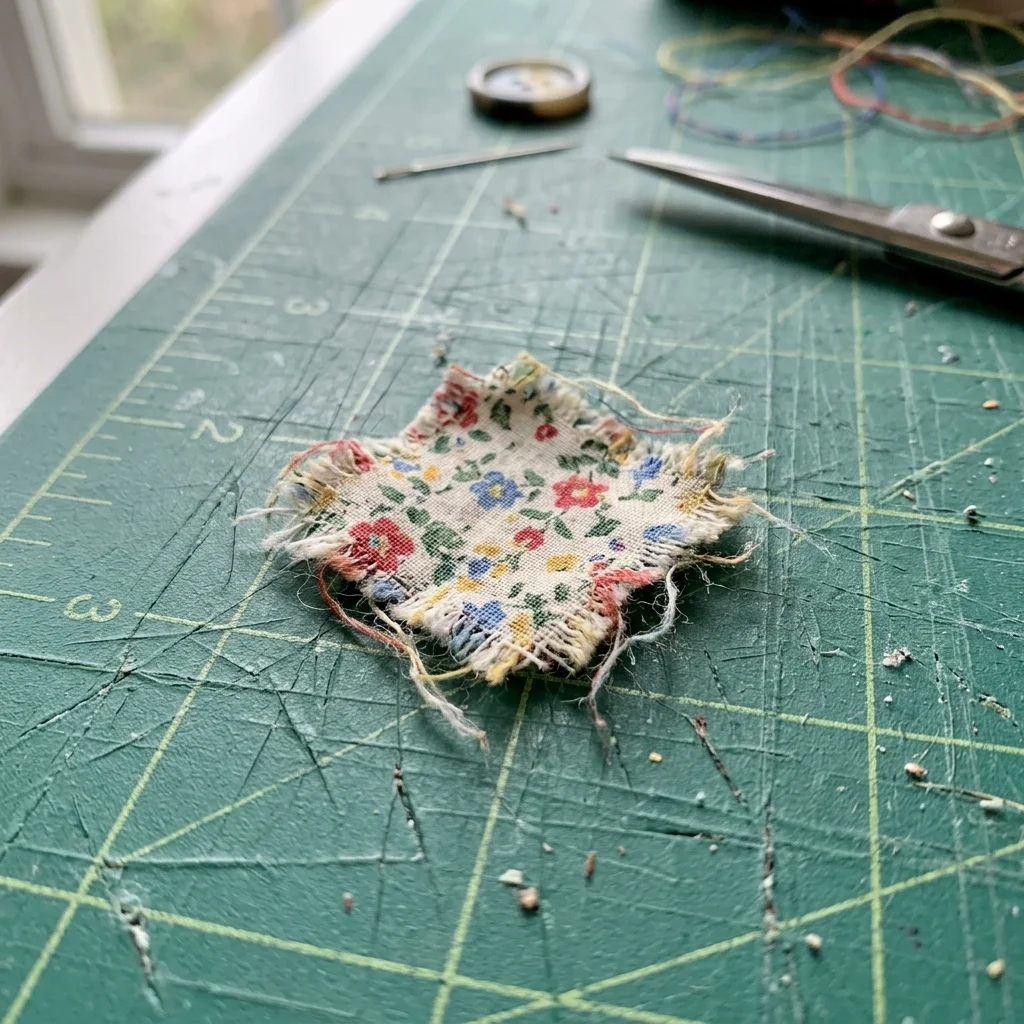
Two inches is a convenient length for cutting ribbon, paper strips, string, or other craft supplies. For example, a two-inch paper strip measures 5.08 centimeters from one end to the other.
When making several pieces of the same size, use a ruler or cutting guide instead of estimating each piece by eye. Even small differences can become noticeable when multiple pieces are arranged together.
A Short Section of Tape
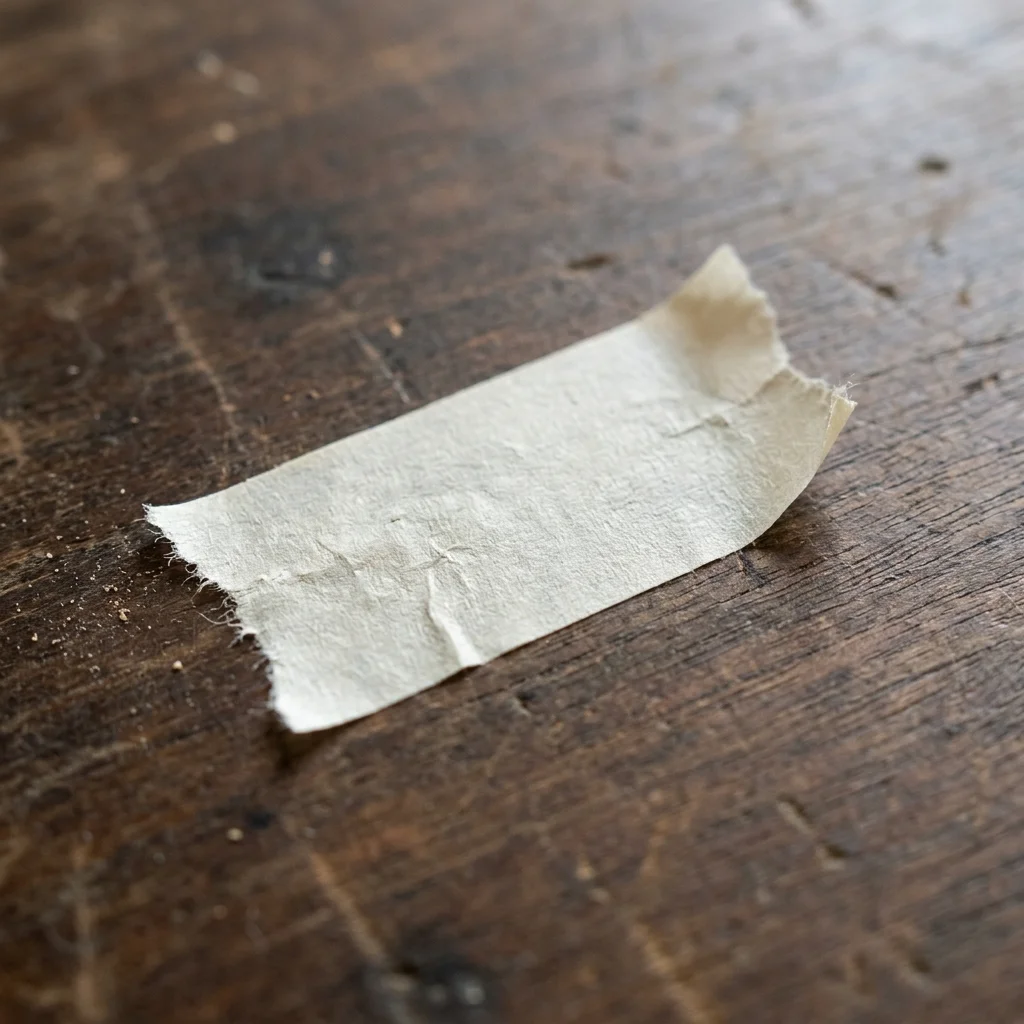
You can also picture two inches as a small section of masking tape or painter’s tape. Measure from the starting edge to the two-inch mark before cutting.
This is useful for labeling, organizing, and small home projects. However, the width of the tape is a separate dimension from its length, so make sure you measure in the correct direction.
How to Measure 2 Inches Without Guessing
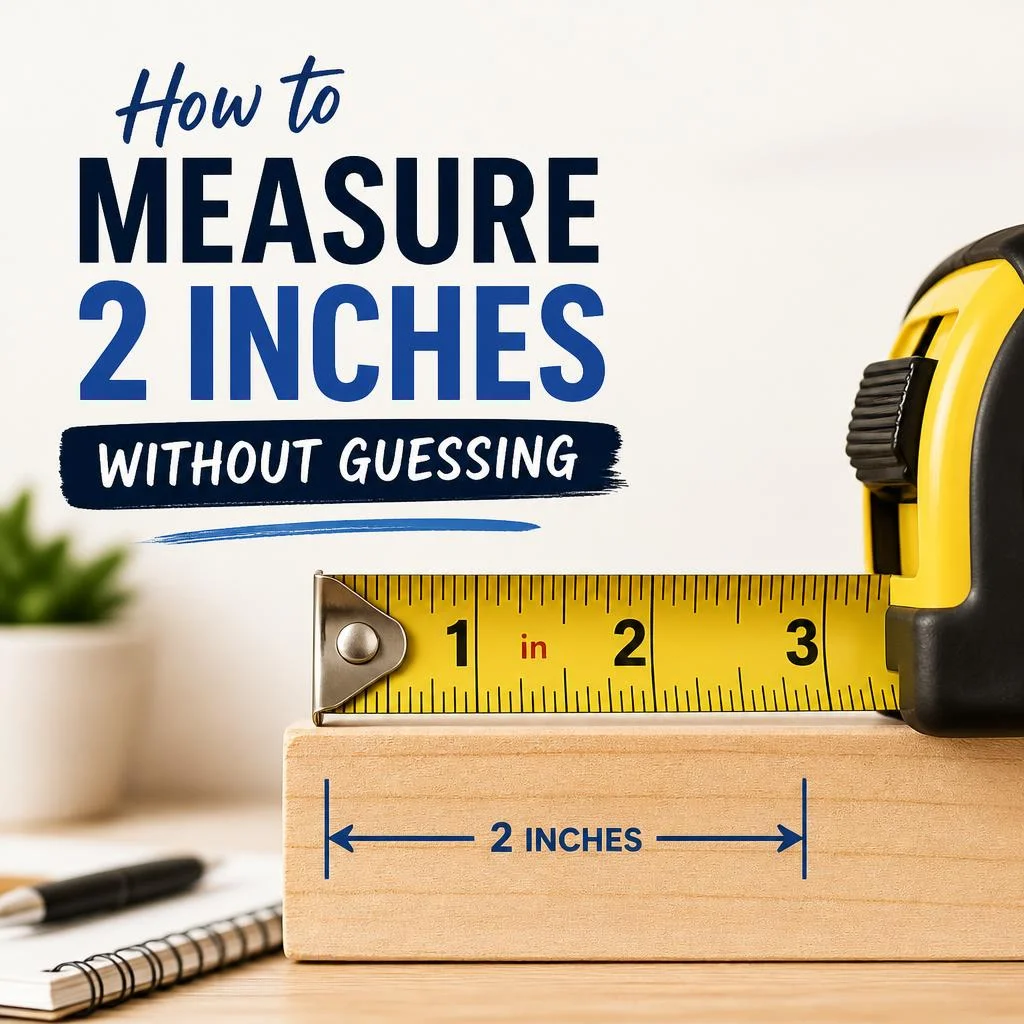
If you need an accurate result, measuring the distance is better than relying on visual comparisons.
Use a Ruler
Place the object’s starting edge at the ruler’s zero mark. Then find the two-inch line and check where the opposite edge falls.
Be sure to align the object with zero rather than the physical end of the ruler. Some rulers have a small unmarked border, which can create an inaccurate result if you use the edge as the starting point.
Use a Tape Measure
A tape measure works well for objects that are curved, awkwardly shaped, or difficult to place on a flat ruler.
Extend the tape along the dimension you want to measure. Keep it straight, avoid pulling it diagonally, and read the two-inch mark carefully.
Use a Metric Ruler
If your ruler shows centimeters and millimeters instead of inches, measure 5.08 centimeters. Since many metric rulers mark millimeters, the target lies at 50.8 millimeters, just short of the 51 mm mark.
For ordinary tasks, measuring to approximately 51 mm is often sufficient. For precise manufacturing or fitting, follow the required tolerance rather than rounding automatically.
Estimate With a Familiar Object
When a ruler is unavailable, a standard AA battery or two US quarters can provide a rough visual reference. Remember that two quarters side by side total about 1.91 inches, while a typical AA battery is close to 1.99 inches long.
These comparisons are useful for quick estimates, but they are not ideal for cutting materials or checking whether a part will fit.
Where Is a Two-Inch Measurement Useful?
Although two inches is a short distance, it appears in many practical situations.
Home Improvement
Small hardware items, fittings, trim pieces, and gaps may be measured in inches. If a space is two inches wide, check the size of any part you intend to install before purchasing it.
A small mismatch can prevent a component from fitting correctly. Measure the opening and the product using the same reference points to avoid confusion.
Cooking and Food Preparation
Recipes sometimes describe the length or thickness of ingredients in inches. A two-inch piece of an ingredient is a length measurement, not a weight or volume.
For consistent results, especially when following a detailed recipe, use a ruler or a kitchen tool with measurement markings if the size matters.
Crafts and Sewing
Paper crafts, fabric projects, and small decorations may use two-inch strips, borders, or spacing. Accurate measurement helps keep repeated pieces consistent.
For sewing, remember that the finished size may differ from the cut size if seam allowances are included. Check the pattern instructions before measuring or cutting.
Shopping for Small Products
Online product listings may describe an item’s height, width, or depth in inches. Two inches in height does not mean the product is also two inches wide.
Always check which dimension a number describes. A small box could be two inches tall but several inches wide, while another object could be two inches across but much longer.
Common Mistakes When Understanding Two Inches
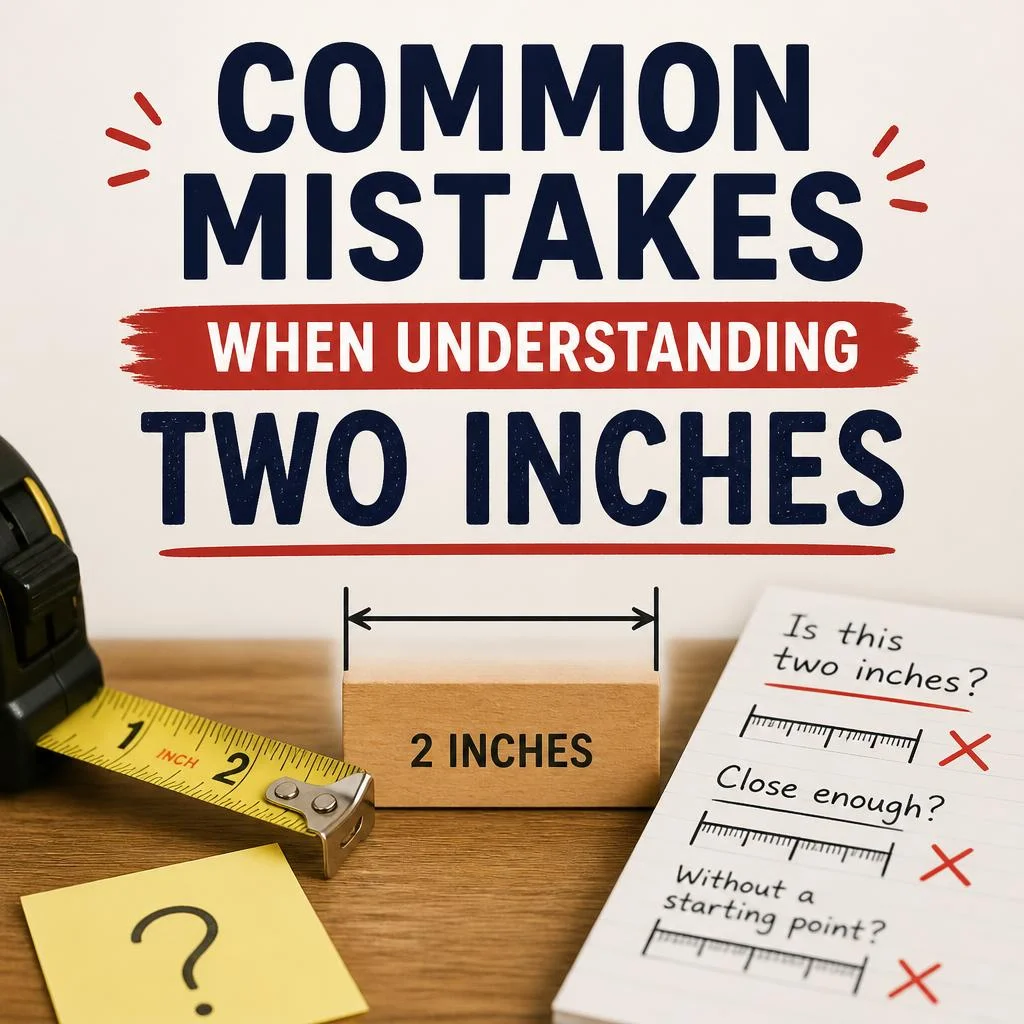
A few simple mistakes can cause confusion when comparing small measurements.
Confusing length with diameter: The length of a battery and the diameter of a golf ball describe different dimensions. Compare the correct side of each object.
Rounding too early: Two inches equals 5.08 centimeters, not exactly 5 centimeters. The rounded figure is useful for estimation, but it can cause a small error in precision work.
Assuming all objects have standard sizes: Phones, sticky notes, tools, and household products come in different dimensions. Check the actual specifications before relying on an object as a reference.
Measuring from the wrong point: A ruler’s physical edge may not align with the zero mark. Always start from the correct marking.
Mixing up inches and centimeters: Two inches equals 5.08 centimeters. It does not equal two centimeters; two centimeters is shorter than one inch.
Frequently Asked Questions
Is 2 inches considered long or short?
Two inches is a short length. It equals 5.08 centimeters and is suitable for describing small objects, short gaps, and compact components.
Is 2 inches the same as 5 centimeters?
Not exactly. Two inches equals 5.08 centimeters. Five centimeters is approximately 1.97 inches, so the difference is small but measurable.
How many millimeters are in 2 inches?
Two inches equals 50.8 millimeters. For a rough estimate, you can round this to 51 millimeters.
How much of a foot is 2 inches?
There are 12 inches in one foot. Two inches is one-sixth of a foot, or approximately 0.1667 feet.
Is 2 inches bigger than a golf ball?
Yes. A regulation golf ball has a minimum diameter of 1.68 inches, so two inches is 0.32 inches longer than its diameter.
Can I estimate two inches with an AA battery?
Yes. A typical AA battery is approximately 1.99 inches long, making it a close visual comparison. Use a ruler if you need an exact measurement.
How do I measure two inches on a metric ruler?
Measure 5.08 centimeters, or 50.8 millimeters. On a ruler marked in millimeters, this is just short of the 51 mm mark.
Why do two inches matter in everyday life?
This measurement is useful for small DIY projects, crafts, product dimensions, household fittings, and other tasks where short distances need to be compared or measured.
Conclusion
Two inches equals 5.08 centimeters, 50.8 millimeters, and approximately one-sixth of a foot. It is close to the length of a standard AA battery and slightly longer than the diameter of a golf ball.
These familiar comparisons make it easier to visualize the measurement when a ruler is not available. However, if you are cutting material, buying a replacement part, or checking whether an object will fit, measure the actual dimensions instead of relying on an estimate.
Remember the key conversion: 2 inches = 5.08 cm = 50.8 mm. This simple reference makes the measurement easy to understand in both US customary and metric units.

Lucas Morgan is a passionate writer who enjoys creating helpful, engaging, and practical content for readers. He focuses on sharing clear ideas, useful insights, and creative inspiration through every article.